Air sealing should come first in most Houston attics. Insulation slows heat transfer, but it does nothing to stop air from moving through gaps, so new insulation blown over an unsealed attic still lets conditioned air escape and humid attic air in. USA Insulation's Search & Seal process finds and closes those gaps before any new material goes down, which is why we check for leaks on every free inspection before recommending a depth target.
Air Sealing vs. Insulation: What Should You Fix First in a Houston Attic?
By USA Insulation Houston · October 7, 2026 · 6 min read
Fact-Checked & Reviewed
Building science & R-value specs verified against IECC Climate Zone 2A standards
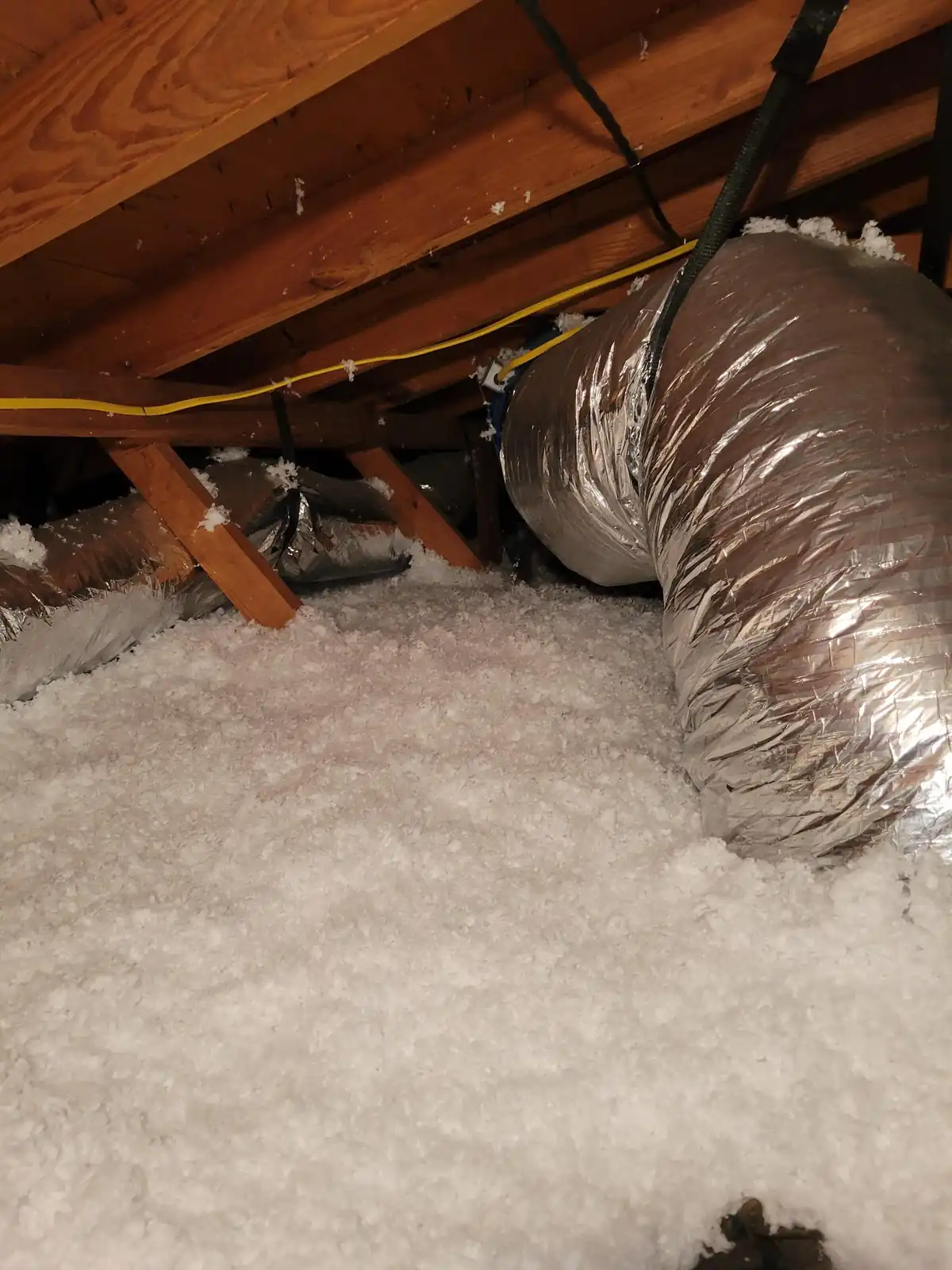
What Air Sealing Actually Fixes (and Why Insulation Alone Can't)
Insulation slows heat conduction through the still air trapped in fiberglass. It does nothing about moving air. A can light, an unsealed attic hatch, or a gap around a duct boot lets conditioned air leave and humid outside air in, no matter how many inches of insulation sit on top of it.
This is why a thick, properly-installed attic can still run high AC bills if the ceiling plane underneath is full of gaps: the insulation is doing its job, but the air it's supposed to be protecting is leaving through a different path entirely. Sealing those paths first is what lets the insulation on top actually deliver its rated R-value.
Self-Check: Where Houston Attics Actually Leak
The same leak points our Search & Seal crews check first on every walkthrough: recessed can lights (especially older, non-ICAT-rated fixtures), the attic access hatch itself, gaps around duct boots and plumbing or electrical penetrations, and the top plates where interior walls meet the attic floor.
A quick way to check your own home: with the AC running, hold your hand near a ceiling vent or can light and feel for a draft. Visible insulation that looks pushed away from one specific spot, rather than lying flat and even, is another sign air is moving through that area.
Why Houston's Humidity Makes This Worse Than a Dry Climate
In a dry climate, an air leak mostly costs you energy. In Houston, the same gap also lets 90%+ summer humidity into the attic, where it can condense on cooler surfaces overnight, the same mechanism covered in our guide to signs your home needs insulation.
Sealing the leak addresses both problems at the source, instead of adding more insulation on top of an attic that's still taking on moisture through the same gaps every humid afternoon.
Air Sealing Cost in Houston
Air sealing residential attics in Greater Houston often runs $800 to $2,500, depending on how many penetrations need sealing and how accessible they are. We quote this after an on-site walkthrough, not over the phone, since the real cost depends on what we actually find once we're in the attic.
Get a Free Insulation Inspection
Most Houston jobs scheduled within the week.
Or call: 409-316-9957
What Happens During a Search & Seal Visit
- Attic walk together: we note hatches, can lights, chases, and top plates where you can see them
- Prioritize high-flow gaps first: the biggest leaks get sealed first, with materials and labor quoted on site
- Fire-rated materials at cans and hatches where required, with finished areas protected during the work
See the full air sealing service details → or call 409-316-9957 to schedule.
Frequently Asked Questions
Should I air seal before adding attic insulation?
Yes. Insulation slows heat transfer but doesn't stop airflow, so sealing gaps first means new insulation actually performs at its rated R-value instead of losing conditioned air through the same leaks.
How much does air sealing cost in Houston?
Often $800 to $2,500 for a residential attic. We quote after an on-site inspection since cost depends on how many gaps need sealing.
What are the signs my attic needs air sealing?
A draft at ceiling vents with the AC running, visible gaps around can lights or the attic hatch, or insulation that looks pushed away from one specific spot.
Does air sealing help with Houston's humidity?
Yes. The same gaps that leak conditioned air out also let humid outside air in, so sealing them reduces both energy loss and moisture reaching the attic.
Related Articles
Ready to Get Started? Free Estimate.
Contact us
4.8 / 221 Reviews
409-316-9957
Not sure what you need? That is normal. Tell us what you are seeing. We call back with plain answers, no jargon, no pressure to sign.