Both are common upgrades in Houston, but they address different problems. The better fit depends on how leaky your attic is, how much depth you already have, and what you are trying to fix, comfort upstairs, high bills, or both.
Air sealing
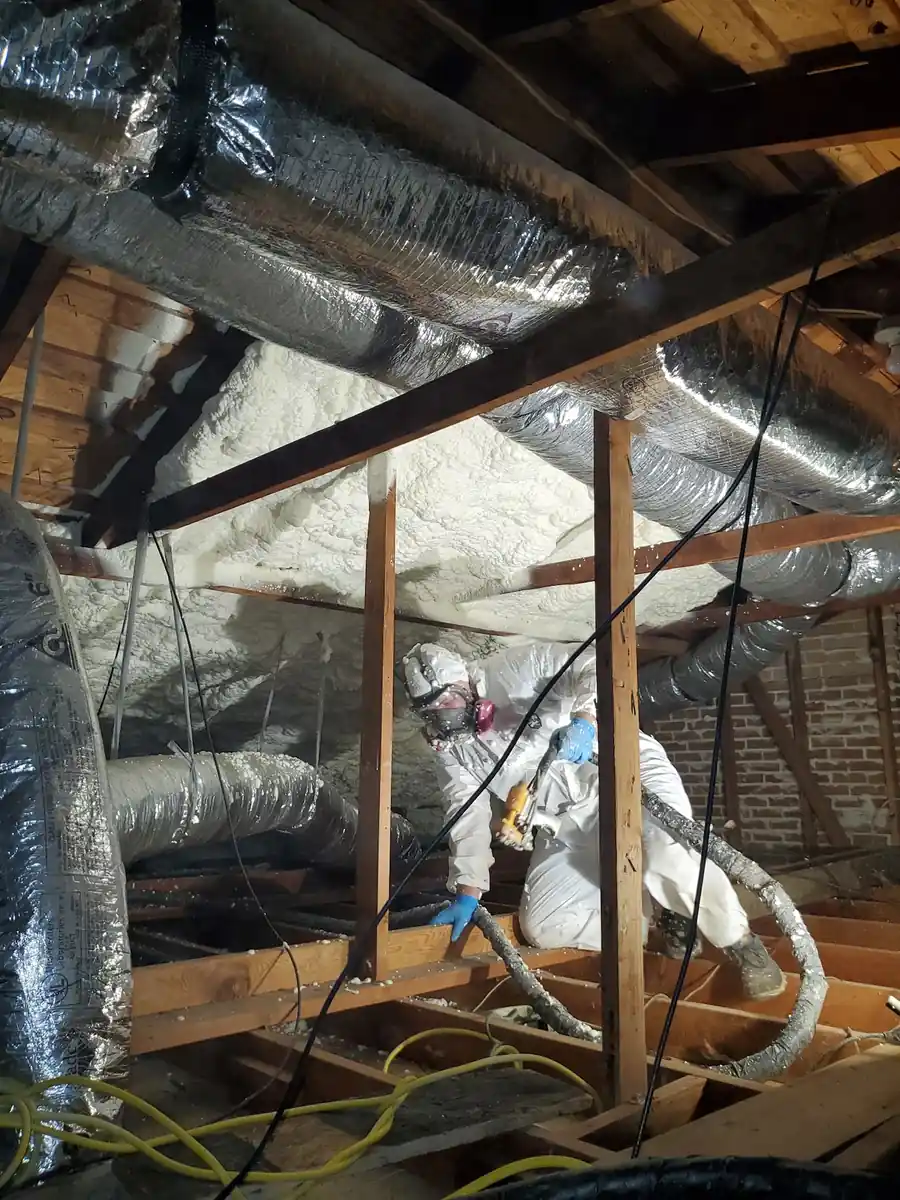
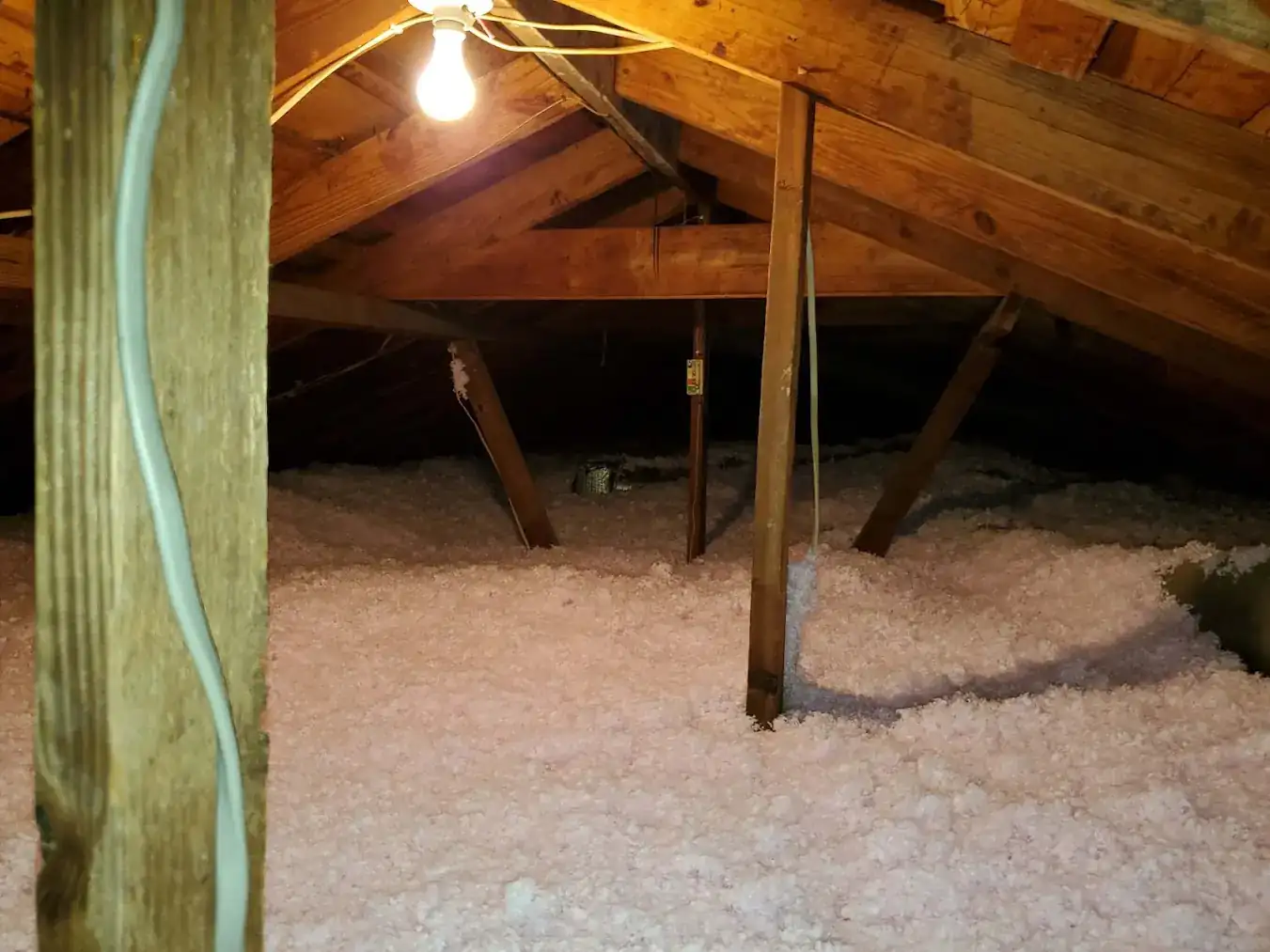
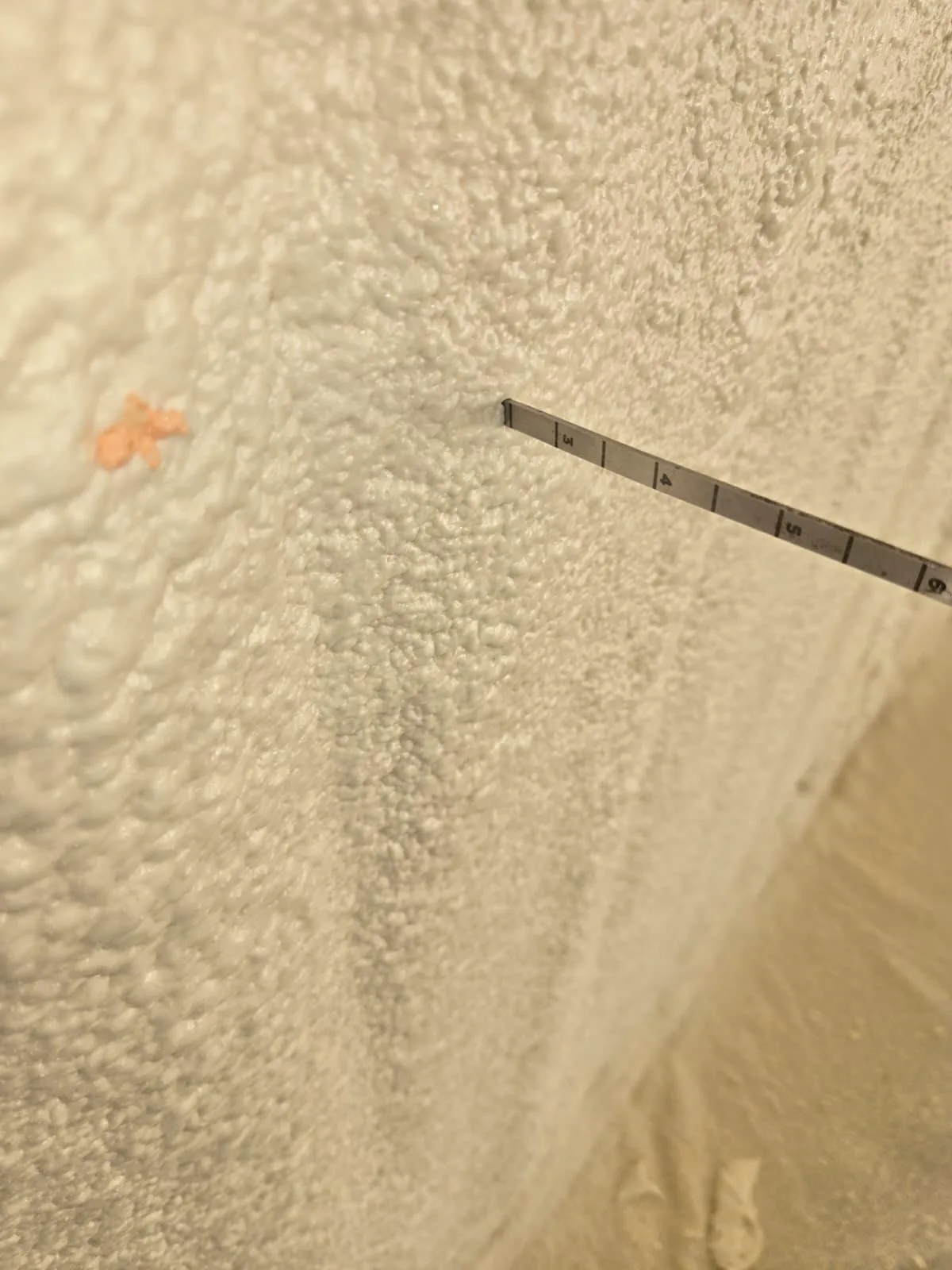
Blown-in fiberglass adds depth on the attic floor. It slows heat transfer but does not close gaps at can lights, hatches, and duct boots on its own. Spray foam seals and insulates in one pass, closed-cell on the ceiling plane or rim joist blocks paths where humid attic air reaches living space. Many Houston homes get the strongest results from air sealing before or with blown-in.
Energy efficiency
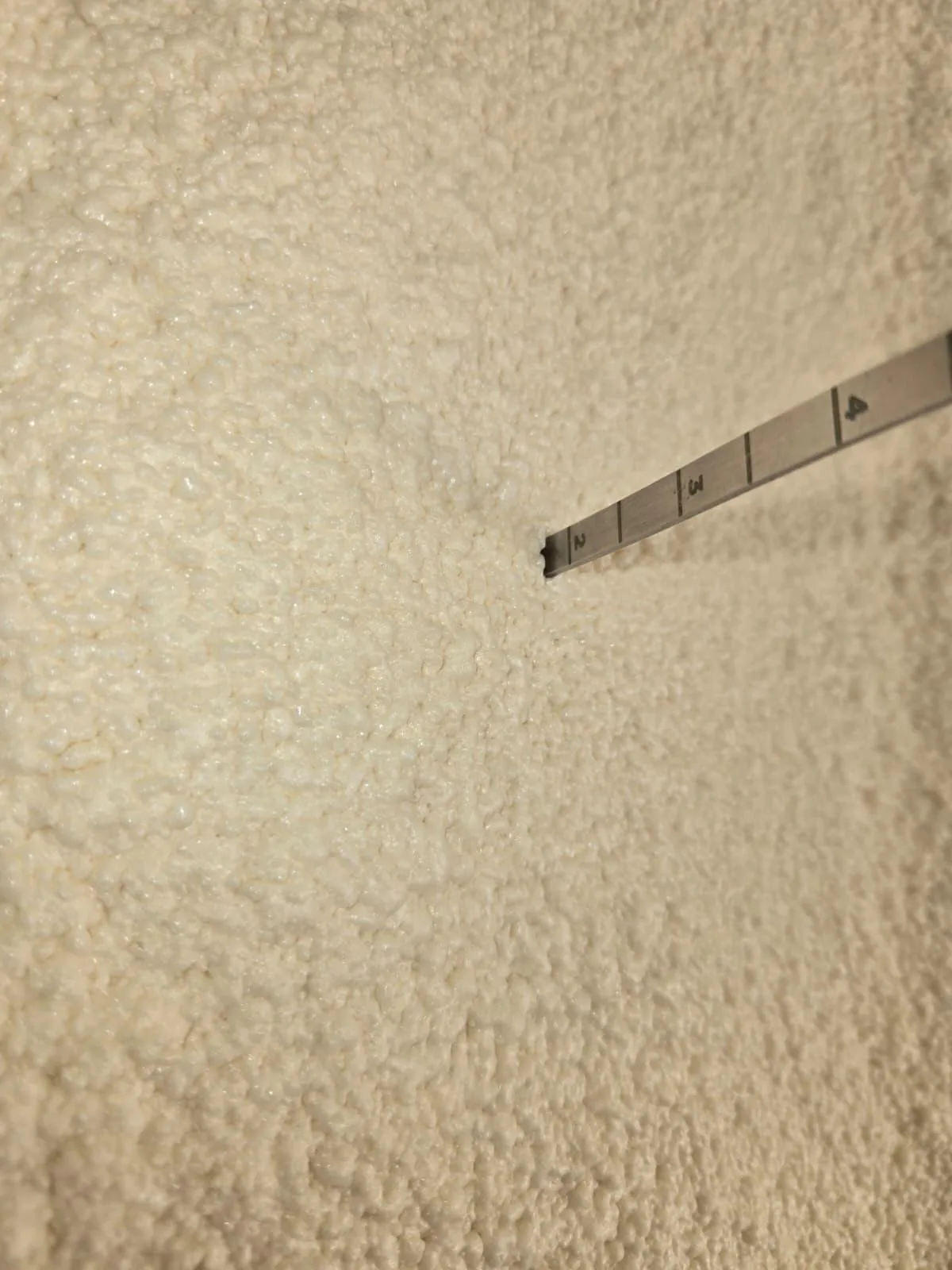
Both can improve comfort when installed correctly. Blown-in to R-38–R-60 adds thermal resistance across a large attic floor. Spray foam delivers higher R-value per inch and cuts air leakage, which can reduce heat gain at ducts and upstairs bedrooms. Bill changes vary by house, many homeowners notice comfort first, with savings depending on how leaky the home was before the upgrade.
Cost
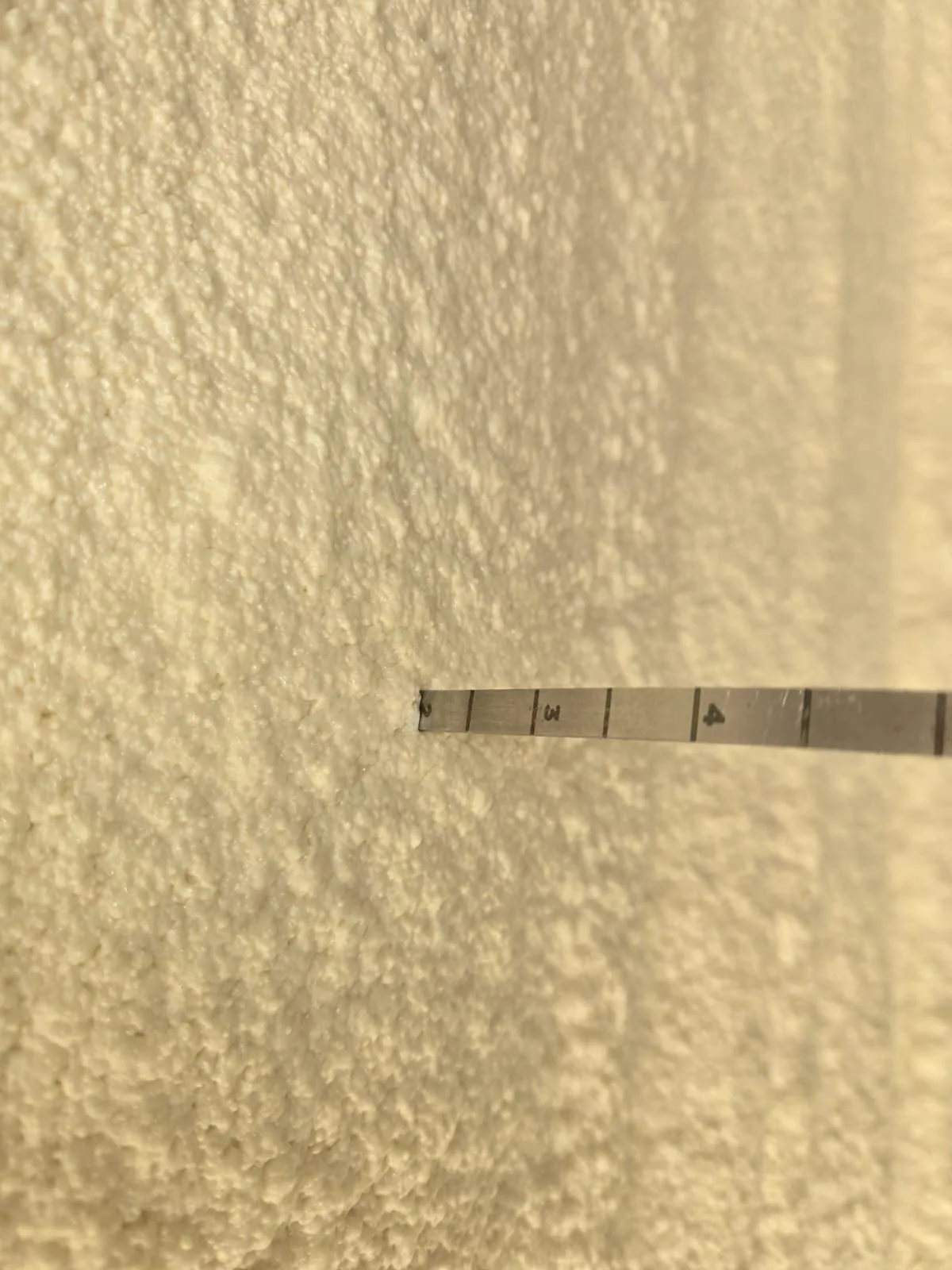
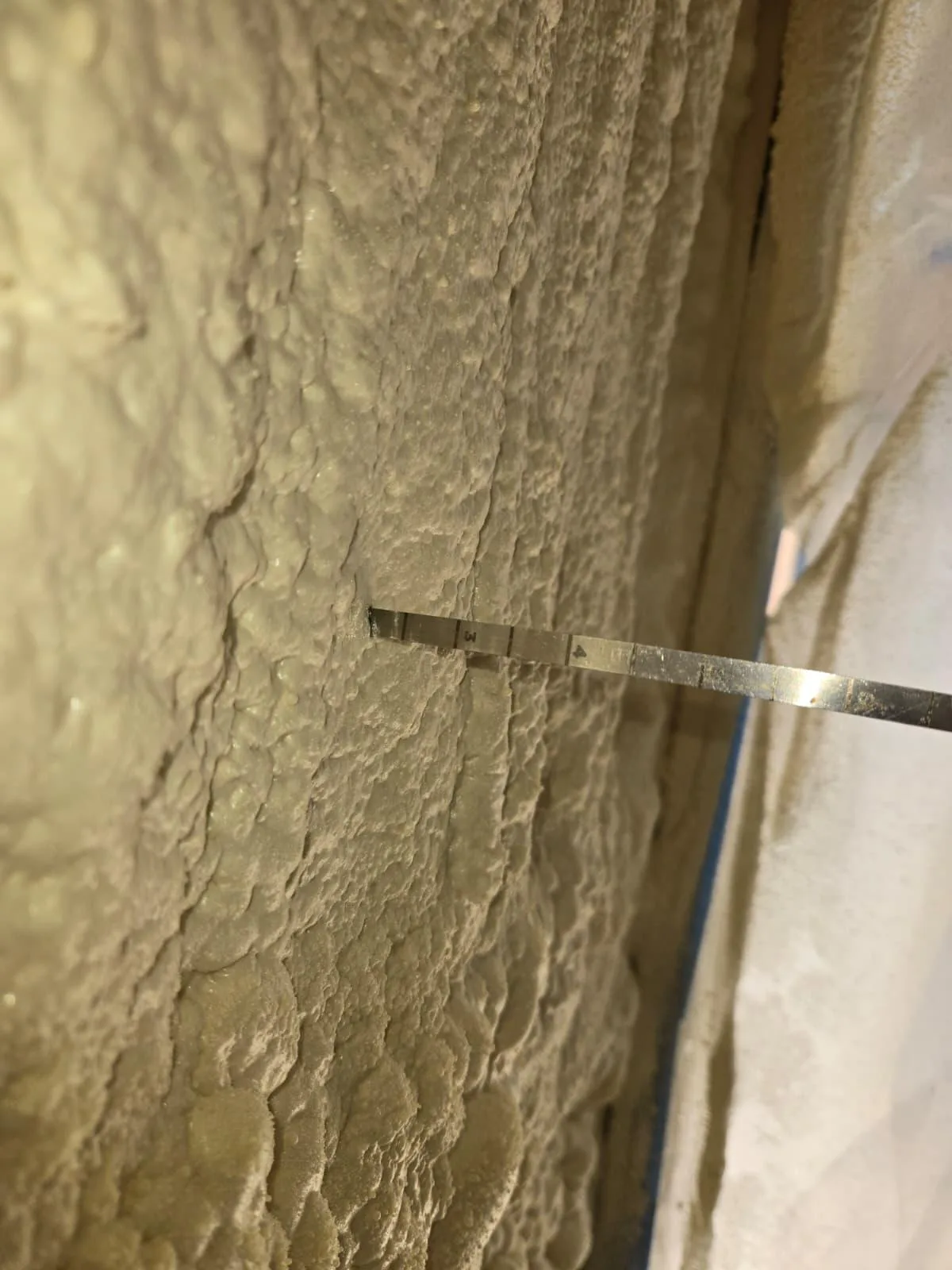
Blown-in attic jobs commonly run $1,200–$2,000 for typical Houston homes. Spray foam usually costs more, often $2,800–$6,500 for a full attic depending on board feet and foam type. We quote both options after a free walkthrough so you can compare scope, not just price.
Best use cases
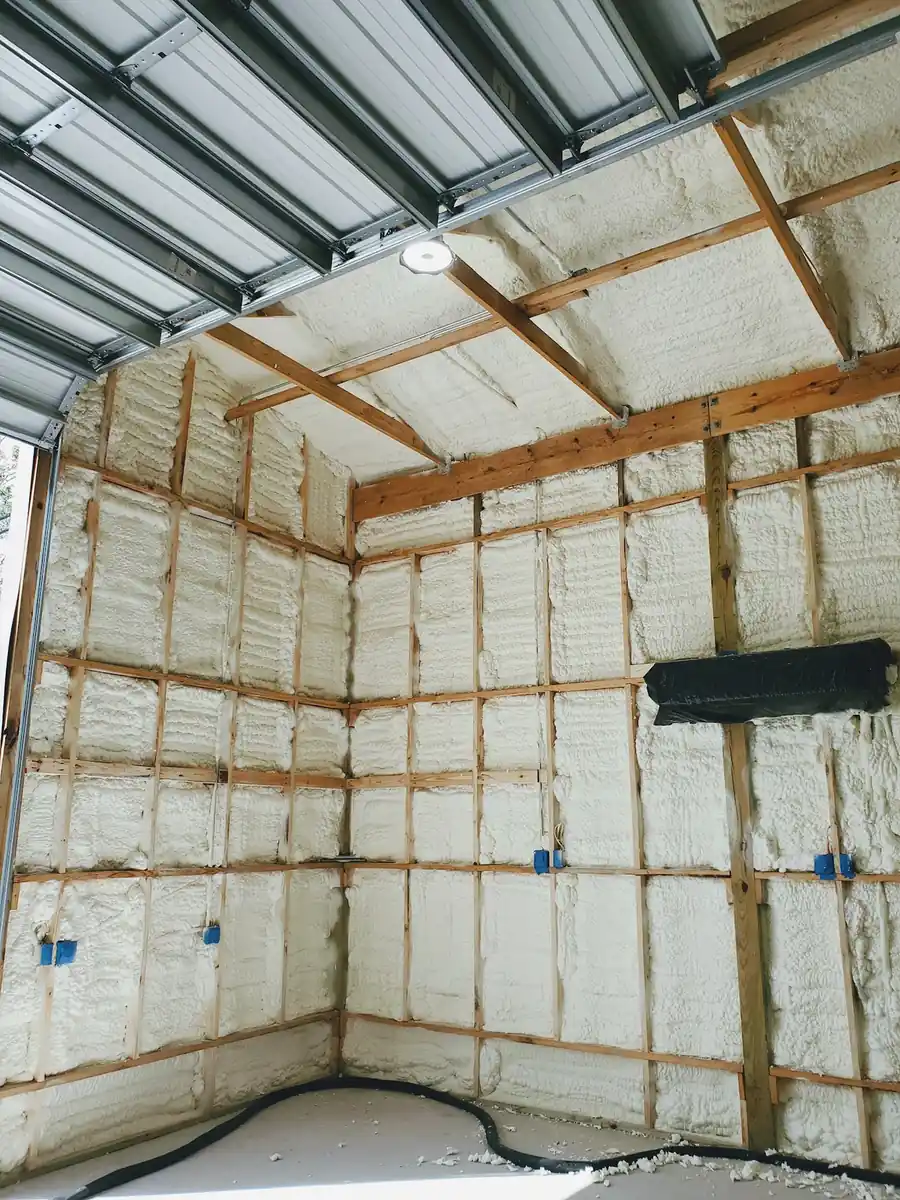
Blown-in fits accessible attics where depth is the main issue and the ceiling plane is reasonably tight. Spray foam fits leaky attics, rim joists, metal buildings, and homes where fiberglass never filled gaps around ducts and hips. Some projects use both, seal and blow on the floor, foam on problem zones.
Houston humidity
Gulf Coast summers push humid outdoor air through every ceiling gap. Closed-cell spray foam resists moisture better than loose fill alone at vulnerable edges like rim joists and coastal homes. Blown-in can perform well when the attic is dry, ventilated, and sealed first. We check moisture stains and ventilation before recommending either product, wet material has to be addressed before we add anything new.
Want a deeper dive? Read our spray foam vs blown-in guide for Houston homes.